
"infant brain development"
38000 article(s) found

The advantages of caffeine in the treatment of apnea outweigh the disadvantages in premature infants.
More than 30 years ago, clinicians found that methylxanthine alkaloids (methylxanthines) can reduce the incidence of apnea in premature infants. Since then, methylxanthine alkaloids have become part of the routine clinical treatment of apnea in premature infants. Because caffeine in these drugs has a long half-life in infants, so in clinical treatment.

Control your coffee mug!
Coffee is one of the three famous drinks in the world. Because coffee is closely related to people's daily life, the relationship between coffee and health has always been concerned by scientists. Raw coffee contains 6.5% protein, 11% fat, sugar inorganic salts and multivitamins, as well as alkaloids such as caffeine, which is as high as 1.5%. Pure caffeine is a white crystal with a bitter taste

Common sense that coffee is not suitable for people with heart disease
Coffee is one of the three famous drinks in the world. Because coffee is closely related to people's daily life, the relationship between coffee and health has always been concerned by scientists. Raw coffee contains 6.5% protein, 11% fat, sugar inorganic salts and multivitamins, as well as alkaloids such as caffeine, which is as high as 1.5%. Pure caffeine is a white crystal with a bitter taste

Coffee health drinking coffee is harmful to cardiovascular system all the year round.
Coffee is delicious and refreshing. It is favored by many office workers, especially young women, but excessive coffee drinking is not necessarily a good thing. A female civil servant in Suzhou in her 20s drank only coffee or carbonated drinks every day and almost never drank plain boiled water in order to lose weight, and was found to have osteoporosis after a physical examination, the news website reported. Heart of Chinese doctors' Association
Caffeine and low birth weight infants
Women drinking coffee during pregnancy may increase the risk of low birth weight and lead to prolonged pregnancy, according to a team from Sal Grenska University Hospital in Sweden, writing in the latest issue of BMC Medicine.
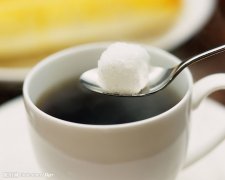
Can I have coffee after pregnancy?
[guide] can I drink coffee when I'm pregnant? Many expectant mothers like to drink coffee before pregnancy, but can they still drink coffee after pregnancy? What are the effects of drinking coffee during pregnancy on maternal and fetal development?

Can I drink coffee after pregnancy? basic knowledge of coffee
Can I drink coffee when I'm pregnant? Many expectant mothers like to drink coffee before pregnancy, but can they still drink coffee after pregnancy? What are the effects of drinking coffee during pregnancy on maternal and fetal development? First, the benefits and possible harm of caffeine drinking coffee are closely related to caffeine. Caffeine is the main functional ingredient of coffee, generally insoluble in cold water, but easily soluble in hot water. Caffeine won't be in the body.
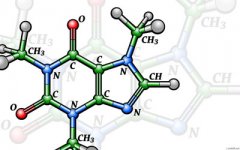
Is caffeine an angel or a devil?
Caffeine (Caffeine) is an alkaloid extracted from tea and coffee fruit. Moderate use of caffeine can dispel fatigue and excitatory nerves. Caffeine is used in clinical treatment of neurasthenia and coma resuscitation. The main source of caffeine in the food industry is coffee beans. Tea, cocoa, cola and Red Bull drinks all contain caffeine. Even women's oral contraceptive contains coffee.

World Health Organization (WHO): excessive consumption of coffee and tea in women can lead to iron deficiency anemia
According to Singapore's Lianhe Zaobao, a recent survey by the World Health Organization shows that about 50% of girls, 20% of adult women and 40% of pregnant women develop iron deficiency anemia. Iron deficiency anemia is a common disease in infants and young children, with an incidence of 20% to 38%. The physiological characteristics of women determine that women are prone to anemia. Adolescent girls grow vigorously and have a strong body to iron.
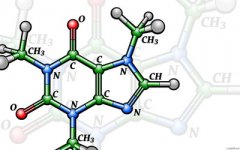
Is caffeine an angel or a devil?
Caffeine (Caffeine) is an alkaloid extracted from tea and coffee fruit. Moderate use of caffeine can dispel fatigue and excitatory nerves. Caffeine is used in clinical treatment of neurasthenia and coma resuscitation. The main source of caffeine in the food industry is coffee beans. Tea, cocoa, cola and Red Bull drinks all contain caffeine. Even women's oral contraceptive contains coffee.
Analysis of the basic knowledge of Coffee caffeine
Caffeine (Caffeine) is an alkaloid extracted from tea and coffee fruit. Moderate use of caffeine can dispel fatigue and excitatory nerves. Caffeine is used in clinical treatment of neurasthenia and coma resuscitation. The main source of caffeine in the food industry is coffee beans. Tea, cocoa, cola and Red Bull drinks all contain caffeine. Even women's oral contraceptive contains coffee.
A brief discussion on the main components of caffeine coffee
Caffeine (Caffeine) is an alkaloid extracted from tea and coffee fruit. Moderate use of caffeine can dispel fatigue and excitatory nerves. Caffeine is used in clinical treatment of neurasthenia and coma resuscitation. The main source of caffeine in the food industry is coffee beans. Tea, cocoa, cola and Red Bull drinks all contain caffeine. Even women's oral contraceptive contains coffee.
Basic knowledge of Fine Coffee A brief discussion on caffeine
Caffeine (Caffeine) is an alkaloid extracted from tea and coffee fruit. Moderate use of caffeine can dispel fatigue and excitatory nerves. Caffeine is used in clinical treatment of neurasthenia and coma resuscitation. The main source of caffeine in the food industry is coffee beans. Tea, cocoa, cola and Red Bull drinks all contain caffeine. Even women's oral contraceptive contains coffee.

Angel or Devil talk about the advantages and disadvantages of caffeine
Caffeine (Caffeine) is an alkaloid extracted from tea and coffee fruit. Moderate use of caffeine can dispel fatigue and excitatory nerves. Caffeine is used in clinical treatment of neurasthenia and coma resuscitation. The main source of caffeine in the food industry is coffee beans. Tea, cocoa, cola and Red Bull drinks all contain caffeine. Even women's oral contraceptive contains coffee.
The role of creamer
Vegetable fat powder, commonly known as creamer, is mainly composed of syrup, vegetable oil, sodium caseinate, emulsifier and other ingredients. Creamer is basically divided into three types: hot soluble type, cold water instant type and foaming type. It is widely used in solid brewing foods such as flavoring, nutritional cereal, infant formula rice flour, sesame paste, soy milk crystal, peanut crystal, etc., as well as milk drinks, pearl milk tea, coffee mate, ice cream, freezing and baking.
Caffeine intake during breastfeeding may harm babies
Babies do not metabolize or excrete caffeine very well, so caffeine intake by mothers during breastfeeding may lead to caffeine accumulation and symptoms such as wakefulness and irritability.

The role of Cream in Fine Coffee
Plant fat powder, commonly known as milk essence, is mainly composed of syrup, vegetable oil, sodium caseinate, emulsifier and so on. Milk essence is basically divided into three types: heat-soluble type, cold-water instant-soluble type and foaming type, which are widely used in solid foods such as seasoning, nutritious cereal, infant formula rice noodle, sesame paste, soy milk crystal and peanut crystal, as well as dairy drinks, pearl milk tea, coffee companions, ice cream, freezing and baking.
World coffee brands
Nestle Nescafe: coffee with a long history, founded in 1867. The Bird's Nest trademark was designed at the end of the 19th century to pray for a reduction in infant mortality in the world. UCC: founded in Japan in 1933, it is the most successful Japanese brand in the world and a guarantee of quality. Royal Copenhagen RoyalCopenhagen: has always had a high-quality evaluation of the royal Copenhagen.